


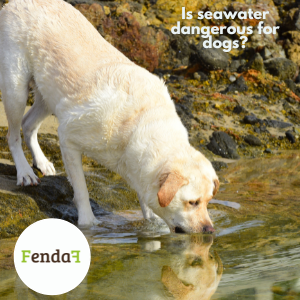
Is seawater dangerous for dogs?
Reading time: about 8 min
Dogs do not usually enter the sea intending to drink, but they inevitably swallow some water while running, swimming and retrieving toys. One accidental mouthful will not usually cause poisoning. The risk increases when a dog repeatedly swallows saltwater or consumes a larger amount, especially in hot weather or when fresh drinking water is not readily available.
Our dogs love playing in the sea, which is exactly why it helps to know when the likely result is a temporary upset stomach and when a dog needs urgent veterinary care. It is also important to distinguish swallowing saltwater from consuming concentrated table salt: these are not the same situation.
How salty is the water around us?
Open-ocean water contains about 35 parts per thousand of salt on average. The Baltic Sea is brackish and its average salinity is much lower; in the Gulf of Finland, salinity also varies with location, depth and freshwater inflow. Consequently, drinking ocean water generally delivers a larger salt load than swallowing the same amount of water along our coast.
That does not make Gulf of Finland water suitable for drinking. If a dog swallows a lot of water while playing, vomiting or watery diarrhoea may follow. Repeated or substantial intake can also disturb electrolyte balance. Risk depends not only on salinity, but also on the amount swallowed, the dog’s body weight, access to fresh water and overall health.
Important distinction: an accidental mouthful of Gulf of Finland water and placing concentrated table salt in a dog’s mouth create very different salt loads.
What happens in salt poisoning?
If the body receives too much sodium chloride in a short time, the sodium concentration in the blood may rise to a dangerous level. This is called hypernatremia. High sodium levels draw water out of cells. The brain is particularly vulnerable, which is why severe cases may cause disorientation, muscle tremors and seizures.
Symptoms do not follow a fixed day-by-day timetable. Vomiting may begin within a few hours, but the signs and the speed at which they worsen depend on the salt dose, the dog’s fluid balance and how quickly treatment begins.
Signs to watch for
Early signs may include:
- more intense thirst than usual;
- vomiting or watery diarrhoea;
- restlessness, loss of appetite or lethargy;
- frequent urination;
- weakness or an unsteady gait.
Signs requiring urgent veterinary care include:
- disorientation or abnormal responsiveness;
- marked weakness or loss of coordination;
- muscle tremors;
- seizures;
- altered consciousness or collapse.
Do not wait until the next day. If neurological signs, repeated vomiting or rapidly worsening lethargy develop after a beach visit, contact a veterinarian or emergency clinic immediately.
What should you do if your dog drinks seawater?
- Stop water play. Move your dog to a calm, shaded place so no more water is swallowed.
- Offer fresh water. If your dog is alert and probably swallowed only a small amount, allow calm access to fresh water. Do not force a large quantity at once.
- Assess the amount and your dog’s condition. Consider how long your dog was in the water, how much may have been swallowed and whether vomiting, diarrhoea or behavioural changes have appeared.
- Ask for advice early. If your dog drank repeatedly or heavily, is small, has an underlying condition or develops symptoms, call a veterinarian even if the situation does not yet appear critical.
- Go to a clinic if warning signs appear. Tremors, seizures, loss of coordination, disorientation and altered consciousness require immediate care.
A veterinarian may assess blood sodium, hydration and other electrolytes. Treatment depends on how high the sodium concentration is and how quickly the imbalance developed. Severe hypernatremia must be corrected in a controlled manner because changing the sodium level too quickly may also damage the brain.
Whether to induce vomiting depends on what the dog swallowed
For some recent ingestions, inducing vomiting may form part of a plan recommended by a veterinarian, but it is not automatically suitable for every substance or object. A sharp object may injure the oesophagus on the way back up, while bringing up a corrosive substance or one that can easily enter the airways may make the situation worse.
The first step is therefore to establish what the dog swallowed, how much and when. A veterinarian can then decide whether inducing vomiting is appropriate and which method should be used.
Salt was once used at home to induce vomiting, but current veterinary sources do not recommend using table salt independently for this purpose because the dose is difficult to control. If the dog does not vomit after the first amount and receives another, the original problem remains and salt poisoning may be added to it. Repeating the attempt further increases the risk.
Practical principle: do not decide to induce vomiting simply because your dog ate something it should not have. Call a veterinarian first and describe the substance or object as precisely as possible.
Too much fresh water can also be dangerous
Water intoxication, or hyponatraemia, is the opposite type of sodium imbalance. It may occur when a dog swallows a very large amount of fresh water in a short time and the sodium concentration in the blood falls too low. Risk may increase in dogs that repeatedly retrieve balls from the water, bite at a hose stream or swim for long periods with their mouth in the water.
Possible signs include bloating, lethargy, vomiting, loss of coordination, a glazed expression, excessive drooling and seizures. This condition also requires urgent veterinary care. The aim is not to restrict normal drinking water, but to prevent very large amounts being swallowed rapidly during play.
Watch for cyanobacteria on Estonian beaches
Salt is not the only hazard associated with sea and lake water. If the water is yellow-green or blue-green, cloudy, flaky, smells musty or has green material accumulated along the shore, do not let your dog enter it. Dogs can be exposed to cyanobacterial toxins by swallowing contaminated water and by licking their coat after swimming.
If your dog entered suspicious water, prevent coat licking, rinse the coat with clean water and contact a veterinarian promptly if poisoning is suspected. Cyanobacterial poisoning and salt poisoning are different problems, although both may cause vomiting, weakness and neurological signs.
How can you make a beach day safer?
- Offer fresh water before going to the beach and always take drinking water with you.
- Build regular breaks into water play; do not rely on a single universal limit in minutes or hours.
- If your dog swallows a lot of water while retrieving, use shorter play sessions or play on shore instead.
- Do not allow your dog to quench its thirst with seawater.
- After swimming, rinse the coat and paws with clean water, especially if water quality is uncertain.
- Continue monitoring your dog’s condition after leaving the beach.
In summary
Seawater is not drinking water for dogs, but one accidental mouthful is not usually a reason to panic. Pay closer attention when a dog repeatedly swallows water, drinks it because of thirst or shows any change in condition. Fresh drinking water, regular breaks and monitoring the way your dog plays can reduce the risk.
Concentrated salt is a separate hazard. If your dog has swallowed something dangerous, whether vomiting is appropriate depends on the substance or object involved. The safest next step is to contact a veterinarian before trying a home method. Seek emergency care for severe or rapidly worsening symptoms.
Frequently asked questions
Is one mouthful of seawater dangerous?
One accidental mouthful will not usually cause salt poisoning in a healthy dog. Continue to monitor your dog and do not allow repeated drinking.
Is Gulf of Finland water safer than ocean water?
It is generally much less saline, so the salt load from the same volume is lower. Swallowing a large amount may still cause gastrointestinal upset, and risk also depends on the location and the individual dog.
Can I offer fresh water after my dog swallows seawater?
If your dog is alert and has no symptoms, offer calm access to fresh water. Do not force a large quantity at once. If symptoms appear or a large amount was swallowed, ask a veterinarian for immediate guidance.
Can salt be used to make a dog vomit?
The decision depends on what, how much and when the dog swallowed. Giving salt independently or repeatedly may add a risk of salt poisoning to the original problem, so consult a veterinarian before taking action.
When is it an emergency?
Repeated vomiting, rapidly worsening lethargy, an unsteady gait, disorientation, muscle tremors, seizures, breathing difficulty or altered consciousness require urgent care.
🐾 FendaF believes in informed choicesThe purpose of the FendaF blog is not to tell you what you must do. Our aim is to share knowledge, introduce different evidence-based and integrative perspectives, and help you make more informed decisions for your pet.
Every animal is unique, and no article can replace a consultation, diagnosis or treatment provided by a veterinarian. If your pet has a health concern or you need individual advice, always contact a veterinarian.
Sources used:
- MSD Veterinary Manual – Salt Toxicosis in Animals
- MSD Veterinary Manual – Drugs Used to Control or Stimulate Vomiting in Monogastric Animals
- American Animal Hospital Association – Treating Hypernatremia
- Cornell University College of Veterinary Medicine – Summer Safety Tips
- The Baltic Sea – Hydrography
- Estonian Health Board: Bathing Water and Cyanobacteria
- Simola jt – Pathologic Findings and Toxin Identification in Cyanobacterial Intoxication in a Dog
- Dr Karen Becker – Saltwater: A Hidden Risk to Your Dog at the Beach










Leave a Reply