


Dehydration in Dogs: Signs and Practical Tips for Hot Weather
Dehydration in dogs can develop more quickly in summer than we might expect. Hot weather, activity and constant panting make the body work harder and increase the need for fluids. The problem is that a dog cannot always tell us when they are thirsty or feeling unwell. By the time visible symptoms appear, the loss of fluid may already be significant.
At FendaF, we see summer hydration as part of good everyday care: fresh water, suitable food, moderate exercise and careful observation. This is especially important for puppies, senior dogs, active dogs, dogs with sensitive digestion and those eating mainly dry food.
How much water does a dog need?
Different sources give somewhat different figures. According to the Bark & Whiskers article referenced in the original post, a dog needs approximately 65 ml of water per kilogram of body weight each day. This can be used as a general summer guide and more as a lower-end starting point than a rigid target, because hot weather, activity, dry food and the dog’s individual health can increase water needs.
Using this general guide gives:
- a 5 kg dog: about 325 ml per day;
- a 10 kg dog: about 650 ml per day;
- a 20 kg dog: about 1.3 litres per day;
- a 30 kg dog: about 2 litres per day.
These figures are guides rather than targets that every dog must meet exactly. Water contained in wet food also contributes to total intake. If a dog drinks noticeably less than usual or suddenly begins drinking much more, monitor their general wellbeing and consult a veterinarian when appropriate. A persistent change in drinking can be related to an underlying health problem.
When several dogs share one bowl, it can be difficult to know how much each dog is drinking. In summer, it is useful to place several bowls in different locations and make sure every dog can reach the water without being disturbed.
When is the risk of dehydration higher?
The hottest part of the day usually carries the greatest risk. In summer, it is sensible to be especially cautious from late morning through the afternoon.
The risk may be higher when:
- the dog exercises or plays intensely in hot weather;
- the temperature or humidity is high;
- the dog eats mainly dry food;
- the dog is very young or elderly;
- the dog has a health condition, including a metabolic disorder;
- the home is hot and has little cooling or airflow;
- walks take place around midday or during the afternoon.
An indoor dog can also overheat. During a heatwave, a room may become dangerously warm even when the dog never goes outside. A fan does not cool a dog in exactly the same way it cools a person because dogs do not sweat over most of their skin. They sweat only a little through their paw pads, while panting is their primary way of losing heat.
Signs of dehydration in dogs
Fluid loss can begin quietly. The first changes may not look dramatic, but they deserve attention.
Possible signs include:
- lower energy than usual;
- reduced appetite;
- heavy panting after very little activity;
- dry or sticky gums;
- dull-looking or sunken eyes;
- a nose that seems drier than usual;
- skin that returns to position more slowly;
- weakness or unsteady movement.
Two simple checks at home
- Gum check. Gently lift the dog’s lip and touch the gums. They should normally feel moist and slippery. Gums that feel dry or sticky may be associated with dehydration.
- Skin check. Gently lift a small fold of skin over the shoulders and release it. In a well-hydrated dog, the skin usually returns quickly. If it remains tented or moves back slowly, dehydration may be present.
These checks are only rough guides. Skin elasticity can be misleading in puppies, senior dogs and very thin animals, so the whole dog and the wider situation must be considered. If the dog is weak, cannot walk properly, vomits repeatedly, is extremely lethargic, collapses or shows signs of heatstroke, seek veterinary care urgently.
How can you help your dog stay hydrated in summer?
Small everyday choices can make a real difference.
1. Keep fresh water available at all times
Change the water at least once a day and more often in hot weather. Many dogs prefer cool, freshly poured water. Keep the bowls clean and consider offering more than one water station.
When going for a walk, training session, car journey or visit, bring water and a portable bowl. Offer water regularly rather than waiting until the dog is panting heavily.
2. Time walks carefully
During hot weather, early morning and evening walks are usually safer. Midday and afternoon heat can increase fluid loss as well as the risk of heatstroke.
If asphalt or paving feels uncomfortably hot to your hand, choose a cooler surface or another time of day. A brief touch test can be a useful warning, although it cannot measure paw safety precisely.
3. Add moisture to meals
Dry food naturally contains little moisture. For a dog eating mainly dry food, adding some water to the meal or replacing part of the meal with suitable wet or fresh food may help increase total fluid intake.
Practical options can include:
- adding water to dry food;
- serving some wet food alongside dry food;
- choosing a suitable food format and paying attention to total moisture intake;
- asking for advice when you are unsure what suits your dog.
The aim is not to treat a medical problem at home, but to support everyday hydration and comfortable eating.
4. Try a drinking fountain
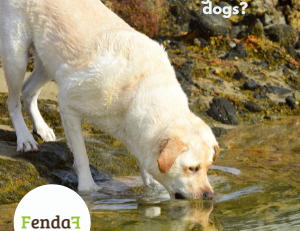
Some dogs prefer moving water. Faddy and Oscar are good examples: whenever I change the water in our pond, they immediately go there to drink while leaving the bowl indoors untouched.
A drinking fountain can keep water moving and may encourage some reluctant drinkers. A small amount of plain, dog-safe broth can sometimes make water more appealing, but it must not contain excessive salt, onion, xylitol or other unsuitable ingredients.
5. Offer cooling snacks
Suitable summer snacks that also contain moisture may include:
- watermelon without seeds or rind;
- cucumber;
- celery;
- strawberries;
- chilled, unsalted dog-safe broth;
- small frozen treats made from suitable broth.
Introduce unfamiliar foods in small amounts and monitor digestion. If your dog has a very sensitive stomach, suspected allergies or a chronic health problem, ask for professional advice before adding new foods.
Ice should be offered sensibly. Crushed ice or a small amount may suit some dogs, but large cubes are not appropriate for a dog likely to swallow them whole. Never use ice-cold immersion to cool an overheated dog.
Common mistakes to avoid
A common mistake is assuming that a dog will always drink enough when thirsty. Some dogs drink less when the water is warm or stale, the bowl is in an uncomfortable location or it is simply too far away.
Try to avoid:
- providing only one water bowl in a large home;
- placing the bowl beside a litter tray, bin or another unpleasant area;
- taking long walks during the hottest part of the day;
- relying only on dry food when the dog drinks poorly;
- leaving a dog in a hot room or vehicle, even with the windows open;
- allowing prolonged water play without breaks.
Too much water can also be dangerous
It may sound surprising, but drinking or swallowing a very large amount of water in a short period can be dangerous. Water intoxication can occur when a dog swallows excessive water while swimming or playing with hoses, sprinklers or other moving water.
Warning signs can include:
- lethargy;
- weakness;
- confusion;
- vomiting;
- diarrhoea;
- loss of coordination;
- seizures;
- collapse.
If a dog has spent a long time playing in water and behaves unusually afterwards, contact a veterinarian promptly. Seawater can also be dangerous when a dog swallows large amounts while swimming or playing on the beach.
What should you not offer in hot weather?
When making cooling treats, check the complete ingredient list. Drinks and snacks intended for people may not be suitable for dogs.
Avoid:
- products containing xylitol;
- grapes and raisins;
- onion and other alliums; do not assume garlic is suitable without assessing the dose and the individual dog;
- very salty broths;
- sweetened yoghurt;
- sports drinks intended for people;
- chocolate;
- alcohol.
A simple summer checklist
Before a hot day, ask yourself:
- Does my dog have fresh water?
- Are there several water bowls available?
- Will the walk take place in the morning or evening?
- Am I taking water on the walk?
- Does my dog eat only dry food, or does the diet also provide moisture?
- Have I noticed lethargy, dry gums or excessive panting?
- Am I including breaks during water play?
- Are the snacks I offer safe for dogs?
Summary
Maintaining a dog’s fluid balance in summer involves more than filling a water bowl. It means fresh water, sensible walk times, suitable food, calm observation and small daily habits. Adding water, appropriate wet food or a carefully balanced fresh food to the diet may help dogs that drink poorly or eat mainly dry food.
If you are unsure which option suits your dog, ask for advice. At FendaF, we can help you think through the choice calmly, taking the dog’s food, digestion and individual needs into account.
Dehydration in dogs is a common hot-weather risk, but careful observation and reliable access to water can often reduce that risk. Serious or persistent symptoms, suspected heatstroke, collapse or marked weakness always require veterinary attention.
FendaF believes in informed choices
The purpose of the FendaF blog is not to tell you what you must do. Our aim is to share knowledge, introduce different evidence-based and integrative perspectives, and help you make more informed decisions for your pet.
Every animal is unique, and no article can replace a consultation, diagnosis or treatment provided by a veterinarian. If your pet has a health concern or you need individual advice, always contact a veterinarian.

Leave a Reply